
When Your Tractor Runs Hot: First Aid and Root Cause Analysis
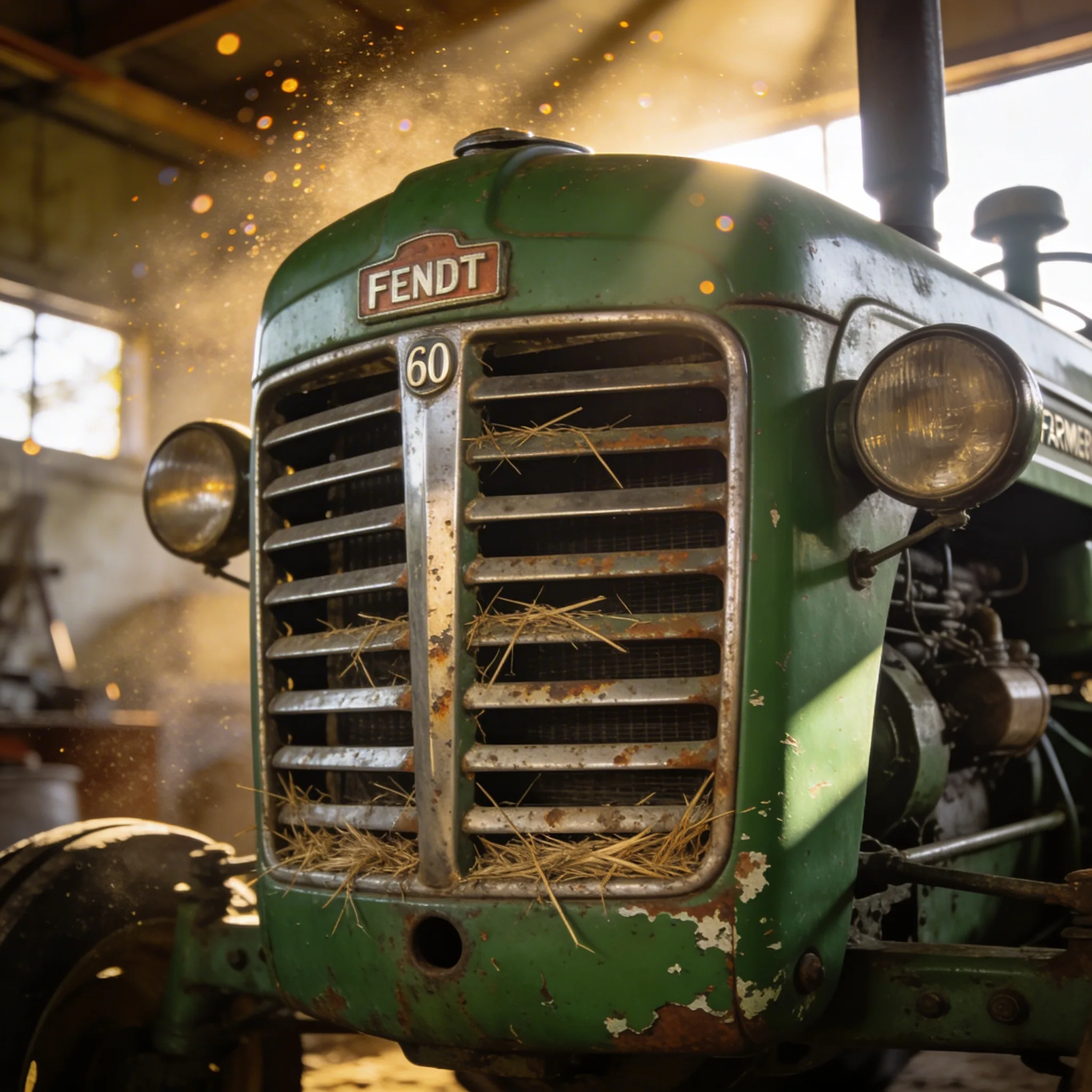
Needle in the red zone? Shut off the engine immediately and let it cool down! Never, absolutely never, open the radiator cap on a hot engine – risk of scalding! Once everything has cooled down, our investigation begins. The first look goes to the coolant level. Is there enough? If not, we have a leak. Check the engine, radiator, and all hoses for wet spots or white or green deposits. Often it’s just porous hoses or a loose clamp. Another classic: the water pump drive belt. Is it loose or even broken? Without drive for the pump, the cooling circuit stops. Check the tension with your thumb; the belt should deflect about one centimeter. Sometimes the cause is quite mundane: Is the radiator grille perhaps clogged with dirt, straw, or leaves? A simple check that’s often overlooked. When your tractor runs hot, these simple first steps are worth their weight in gold before you dive deeper into the matter. Often the problem is found faster than you’d think.
The Key to Vintage Tractor Cooling: Cleaning the Radiator
A dirty radiator is one of the most common causes of heat problems. Cleaning it is fortunately not rocket science. We distinguish between external and internal cleaning. For external cleaning of the cooling fins, use compressed air and carefully blow from the engine side outward through the radiator. This removes the dirt in the direction it came from. Be careful with the pressure washer! Too much pressure bends the fine fins and makes the problem worse. If you do use one, keep plenty of distance and use a wide spray pattern. For internal cleaning, the old coolant must be completely drained. Then flush the system several times with clean water until no more contaminants come out. For stubborn deposits like rust and scale, a special radiator cleaner helps. Fill it in according to the instructions and let the engine run for a while before draining everything again and rinsing thoroughly. A clean radiator is the best life insurance for your engine. Plan radiator cleaning as a fixed item in your annual maintenance.
The Hidden Culprit: Changing the Thermostat on Your Tractor
If the engine takes forever to warm up, or conversely overheats quickly even though the radiator and pump seem fine, the thermostat is often the culprit. This small component controls the large and small cooling circuits. If it stays closed, the engine boils because the hot water can’t reach the radiator. If it stays open, the engine barely reaches operating temperature, leading to increased wear and fuel consumption. The replacement is usually straightforward. The thermostat typically sits in a housing on the upper radiator hose at the cylinder head. After draining the coolant, unscrew the housing, remove the old thermostat, and install the new one. My tip from experience: Pay close attention to the installation direction and don’t forget the new gasket! A thermostat installed backwards won’t work. And nothing is more frustrating than having to take everything apart again. With a bit of care when changing the thermostat, you’ll save yourself a lot of headaches.
Water Pump Defective? Symptoms and Diagnosis for Vintage Tractor Cooling
The water pump is the heart of the cooling system. If it fails, everything stops. Typical signs of a defective pump are varied. Watch for coolant leaking from the small bore on the pump housing, the so-called “weep hole.” A few drops are normal, but if it’s constantly dripping, the internal seal is shot. Another symptom is grinding or squealing noises from the pump area – a clear sign of a worn bearing. You can also try to wiggle the pulley of the pump with the engine off and the drive belt relaxed. Noticeable play is an alarm sign. If you detect any of these water pump defect symptoms, don’t hesitate with the replacement. A total failure during work can ruin the engine. In our shop, you’ll find not only the right pump for your model but also the necessary gaskets and repair manuals to make the job easier. From the operator’s manual to authentic stickers for the perfect restoration – everything for your cooling system, so your treasure runs smoothly again.
Frequently Asked Questions About Vintage Tractor Cooling
How do I know if my tractor cooling system is properly bled?
Gurgling noises from the dashboard or a heater that doesn’t get properly warm are typical signs of air in the system. To bleed it, position the tractor with the front axle on a rise, open the radiator cap, and let the engine run at slightly elevated RPM until no more air bubbles rise.
Which coolant is right for my vintage tractor?
Check your tractor’s manual first. Generally, simple silicate-containing coolants (usually blue or green) are often the right choice for older engines. Definitely avoid mixing different coolant types, as this can cause clumping and damage the entire cooling system. When in doubt, do a complete change.
Can I repair a crack in my vintage tractor’s radiator myself?
Small hairline cracks or leaks can sometimes be temporarily fixed with bottled radiator sealant. For a permanent and safe repair, however, brazing by a professional is the better solution. With larger damage, replacing with a new or good used radiator is often the safest and most cost-effective option in the long run.
Conclusion
A functioning cooling system isn’t a matter of luck but the result of regular maintenance and attentive observation. As we’ve seen, most overheating problems can be handled with logical thinking and some mechanical skill. From a clean radiator to a working thermostat to an intact water pump – every component counts. Take the time for your old friend, and it won’t let you down even during the hardest work. What was your trickiest cooling problem so far? Let us know!